
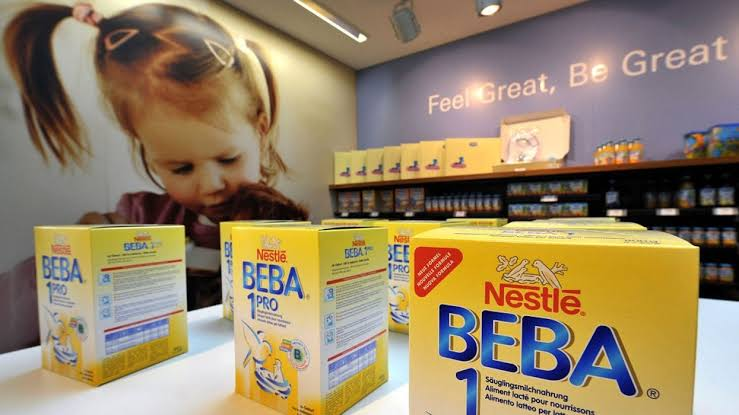
India's food regulator has initiated legal proceedings against Nestlé after authorities found that a sample of the company's baby food did not meet a required quality standard, bringing renewed attention to one of the world's largest infant-nutrition markets.
The Food Safety and Standards Authority of India said on Friday that the sample was found to be substandard during testing. The development has triggered legal action under India's food-safety framework.
The finding is significant because products intended for babies are subject to particularly sensitive quality and safety expectations. However, the regulatory finding relates to the tested sample and should not be interpreted as evidence that every Nestlé infant-food product is affected.
What Did India's Food Regulator Find?
The issue emerged after Indian authorities tested a sample of Nestlé baby food.
According to the regulator, laboratory analysis found that the sample failed to comply with a required standard. The authority subsequently began legal action.
That distinction matters.
A product being described as substandard under food regulations does not automatically mean authorities have found widespread contamination across an entire brand or product range.
Regulatory testing evaluates products against defined specifications, and failures can result in investigations and enforcement depending on the nature of the finding.
Nestlé Disputes the Finding
Nestlé has challenged the result.
The company said the issue concerned sucrose levels in the tested sample and maintained that its own testing found the product compliant with applicable standards. It also questioned aspects of the testing process, according to Reuters.
The dispute therefore now involves competing assessments that will have to be addressed through India's regulatory and legal procedures.
That is important for consumers following the story: the regulator has made a formal finding and initiated action, while Nestlé contests that finding.
Why Baby Food Receives Such Close Scrutiny
Food manufactured for infants occupies a particularly sensitive part of the consumer market.
Babies have different nutritional requirements from adults, and parents rely heavily on manufacturers and regulators to ensure packaged infant foods meet established standards.
That means even a dispute involving one tested sample can attract substantial public attention.
Consumers cannot easily independently verify the nutritional composition of packaged food. They depend on accurate labels, controlled manufacturing and independent regulatory testing.
For infant products, that trust becomes especially important.
India Is an Important Market for Nestlé
India is a major consumer market with a huge and growing packaged-food sector.
For international food companies, the country combines a very large population with rising household incomes, urbanisation and increasing demand for branded consumer products.
Infant nutrition is part of that market.
As a result, regulatory developments involving baby food can have implications extending beyond one laboratory test. They can affect consumer confidence, brand reputation and the way companies communicate their quality-control procedures.
The Case Puts Food Testing in the Spotlight
The dispute also highlights how modern food regulation works.
Large manufacturers typically operate their own quality-control laboratories. Regulators, meanwhile, conduct independent sampling and testing.
Occasionally those processes produce conflicting results.
When that happens, the issue can move beyond science into administrative or legal proceedings, where regulators and companies present evidence about testing methods, samples and compliance requirements.
That appears to be where the current Nestlé case is heading.
What Does 'Substandard' Mean?
The terminology surrounding food-safety cases can easily cause confusion.
A product described as substandard has failed to satisfy a regulatory specification identified during testing.
That does not necessarily mean the regulator has declared the product poisonous or immediately dangerous.
Different food regulations cover nutritional composition, ingredients, labelling, contaminants and other specifications.
In this case, Reuters reported that Nestlé said the disagreement involved sucrose levels.
Consumers should therefore distinguish between the actual regulatory finding and broader claims that have not been established.
Nestlé Says Its Own Testing Showed Compliance
Nestlé's response will be central to the next stage of the case.
The company says its internal analysis indicated compliance and has raised questions about the regulator's result.
Such disagreements are one reason formal regulatory procedures exist.
Authorities need to demonstrate how samples were collected and analysed, while manufacturers can challenge findings using technical evidence.
The eventual outcome will depend on that process rather than assumptions made from the initial announcement.
Infant Nutrition Has Faced Wider Scrutiny
Baby-food companies have faced growing international scrutiny in recent years over nutritional composition, added sugars, marketing and labelling.
The discussion extends well beyond a single company.
Public-health experts increasingly examine whether foods marketed to infants and young children contain appropriate levels of sugar, salt and other ingredients.
At the same time, manufacturers argue that formulations must be judged according to applicable national regulations and the specific nutritional requirements of each product.
The debate has made infant-food regulation an increasingly visible consumer issue.
Why Added Sugar Has Become a Major Consumer Concern
Parents have become more attentive to sugar content in children's food.
That reflects broader public-health campaigns encouraging healthier diets from an early age.
Food labels can be difficult to interpret because sugar may come from multiple sources, and different jurisdictions apply different standards to infant nutrition.
This creates pressure on manufacturers not only to comply with regulations but also to explain clearly what their products contain.
Transparency becomes particularly important when a product is designed for babies who cannot make their own dietary choices.
One Sample Should Not Be Turned Into a Wider Claim
The most important limitation in interpreting this story is its scope.
The regulator's announcement concerns a tested sample and resulting legal action.
It would therefore be inaccurate to conclude from this finding alone that all Nestlé baby-food products in India have failed quality tests.
Likewise, Nestlé's disagreement with the result does not erase the regulator's finding.
Both parts of the story matter.
Consumers deserve accurate information without either minimising a regulatory action or exaggerating it beyond the evidence available.
What Happens Next?
The legal and regulatory process will determine what follows.
Indian authorities can pursue enforcement under the country's food-safety rules, while Nestlé has the opportunity to contest the testing and present its own evidence.
Further testing or regulatory disclosures could provide more information about whether the issue was isolated or requires broader action.
Until then, the most accurate description is straightforward: India's food regulator says a Nestlé baby-food sample failed a quality standard and has initiated legal action, while Nestlé disputes the finding.
For consumers, the case will be worth following because its importance extends beyond a single laboratory result.
It raises a larger question that matters to every parent buying packaged infant food: how effectively manufacturers and regulators can demonstrate that products designed for the youngest consumers consistently meet the standards printed on the package.